© 2024 XY ANKA MIERZEJEWSKA
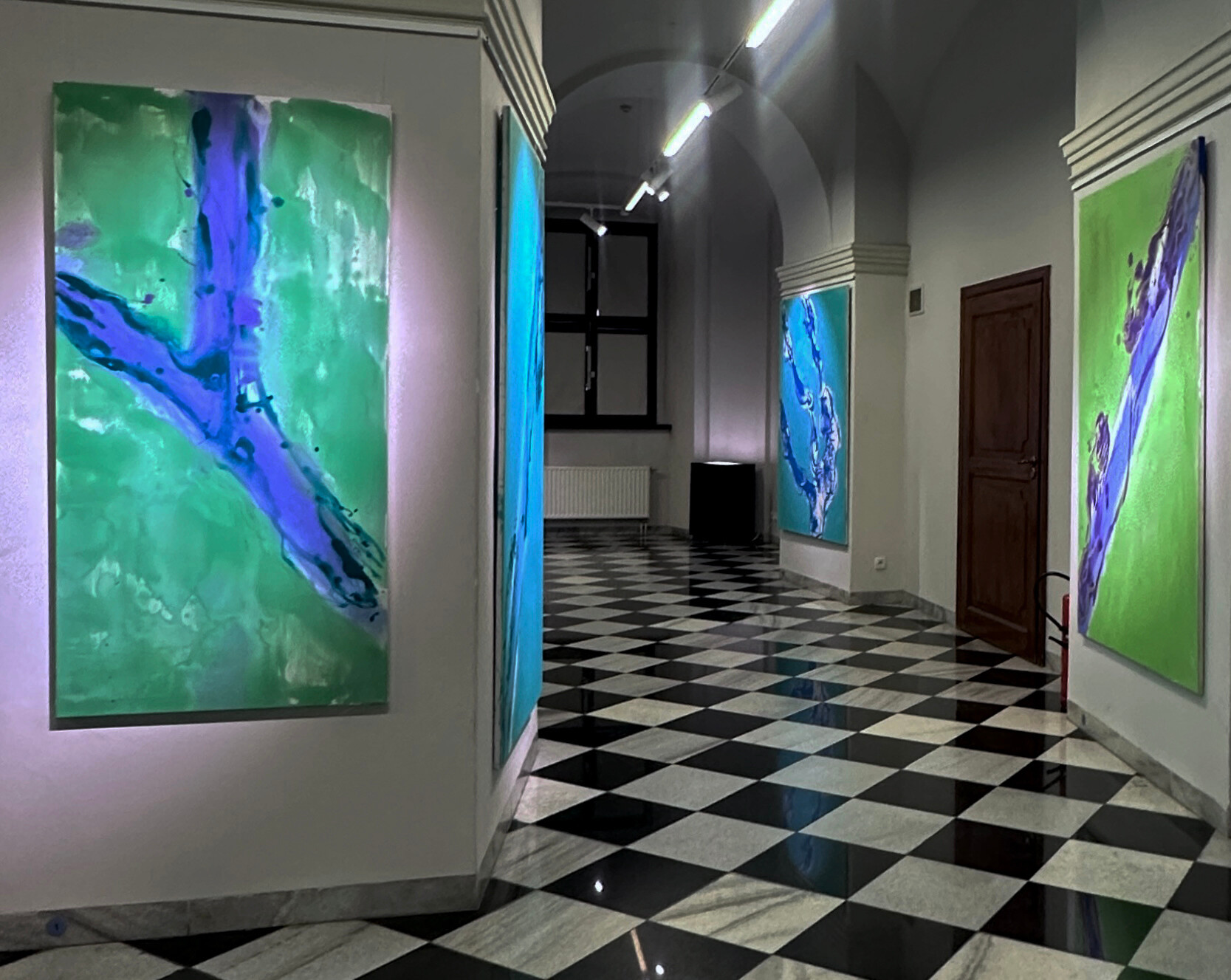
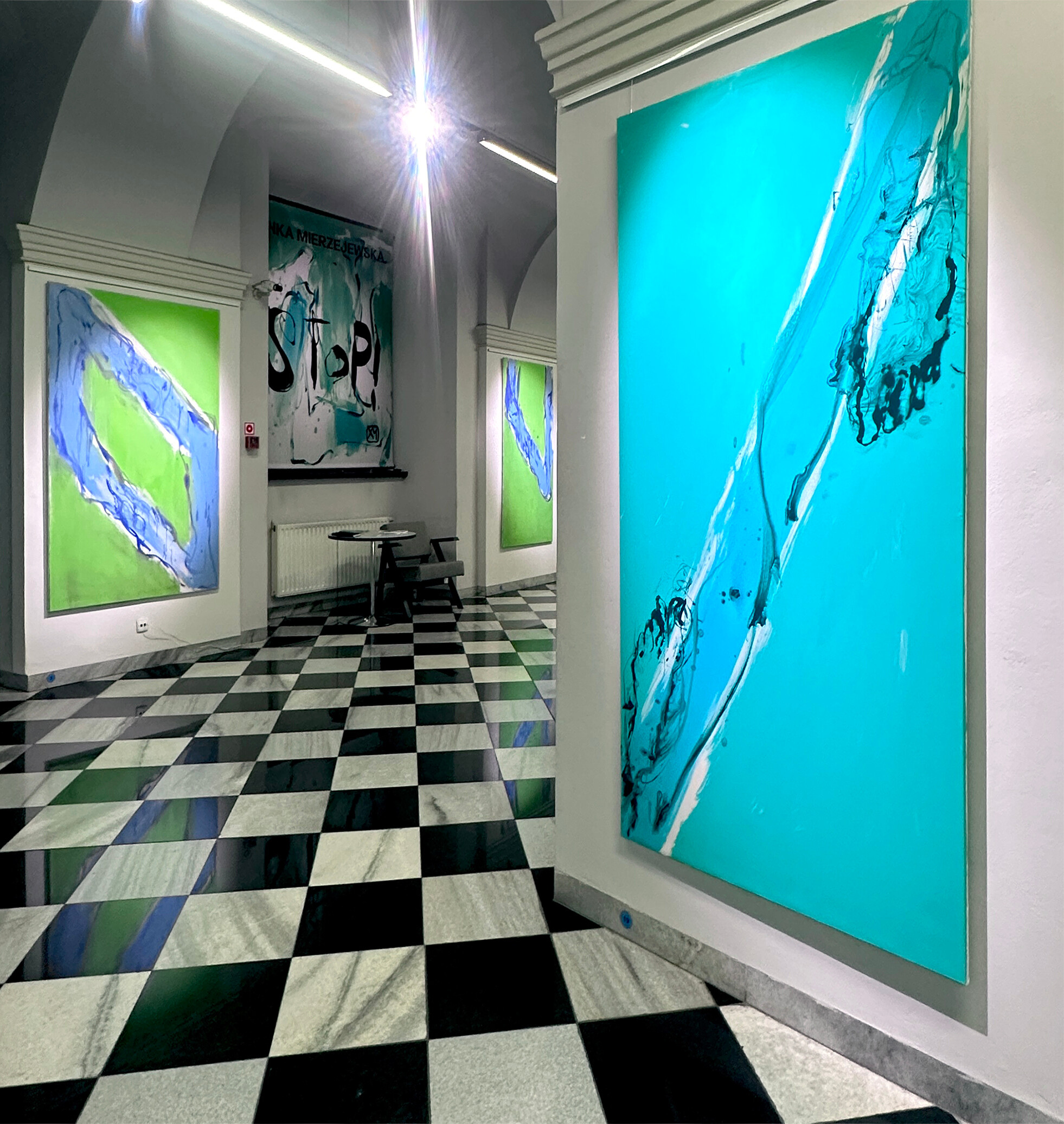
STOP!anatomy of relations at Museum of the University of Wrocław
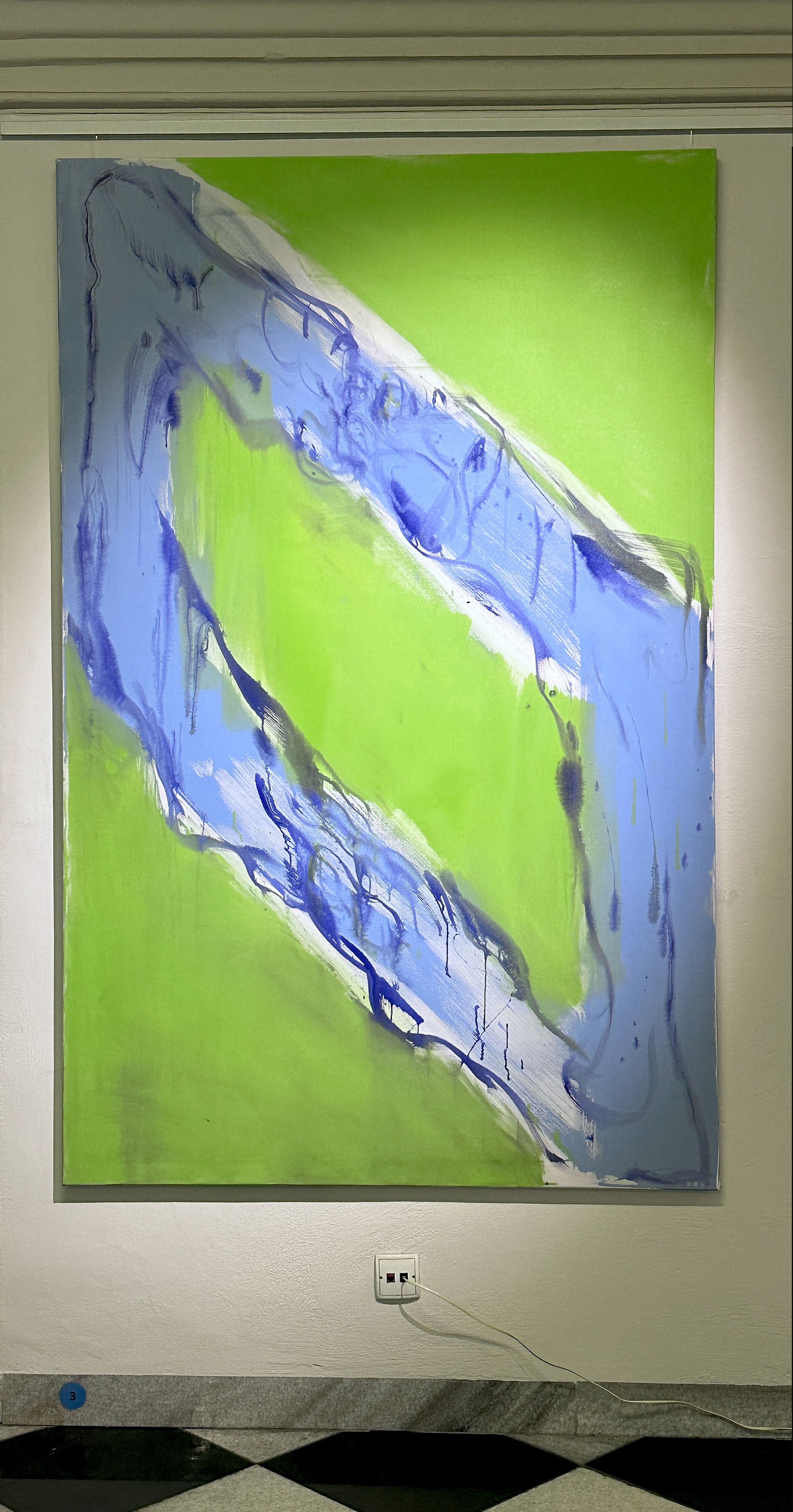
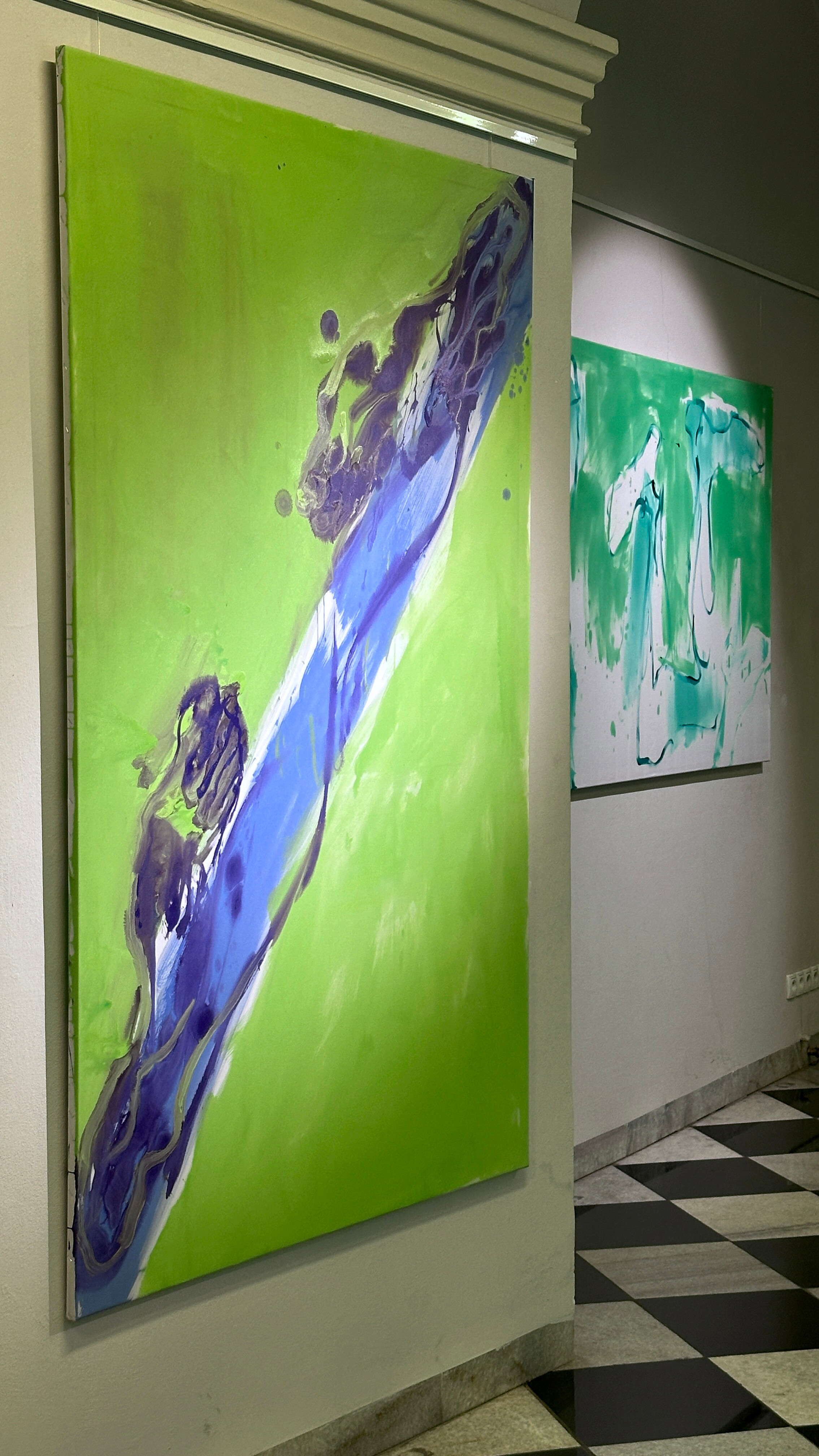
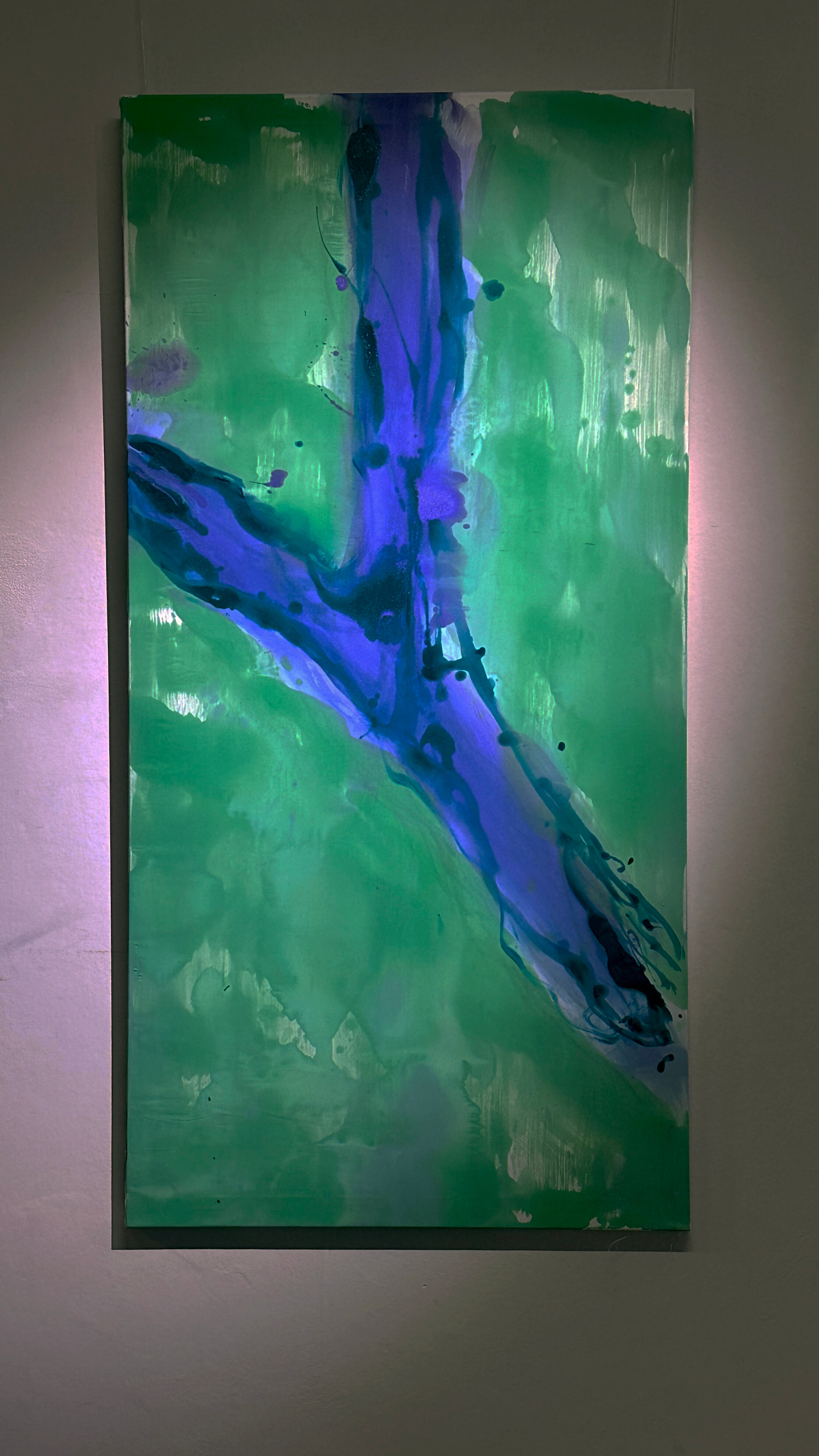
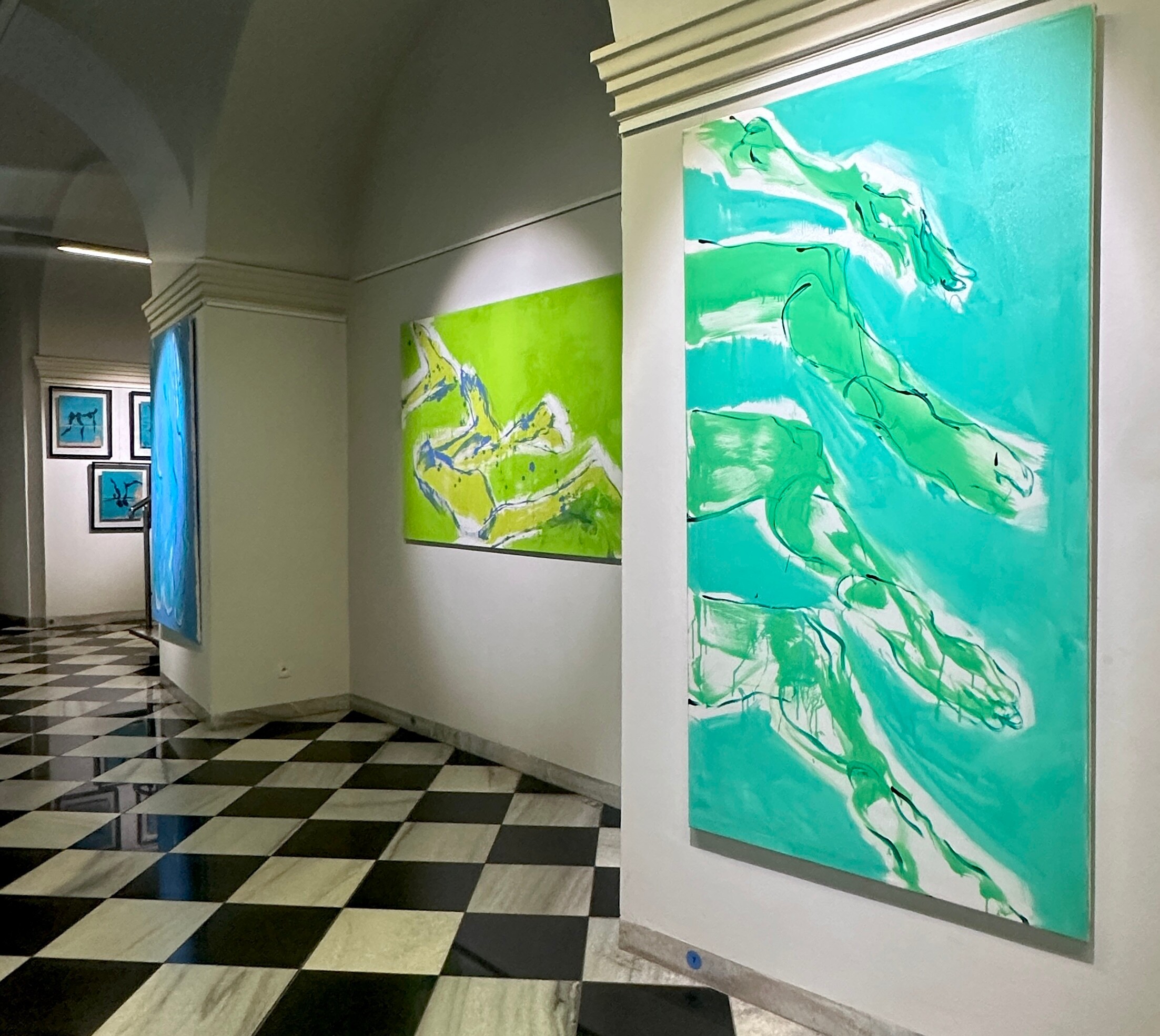
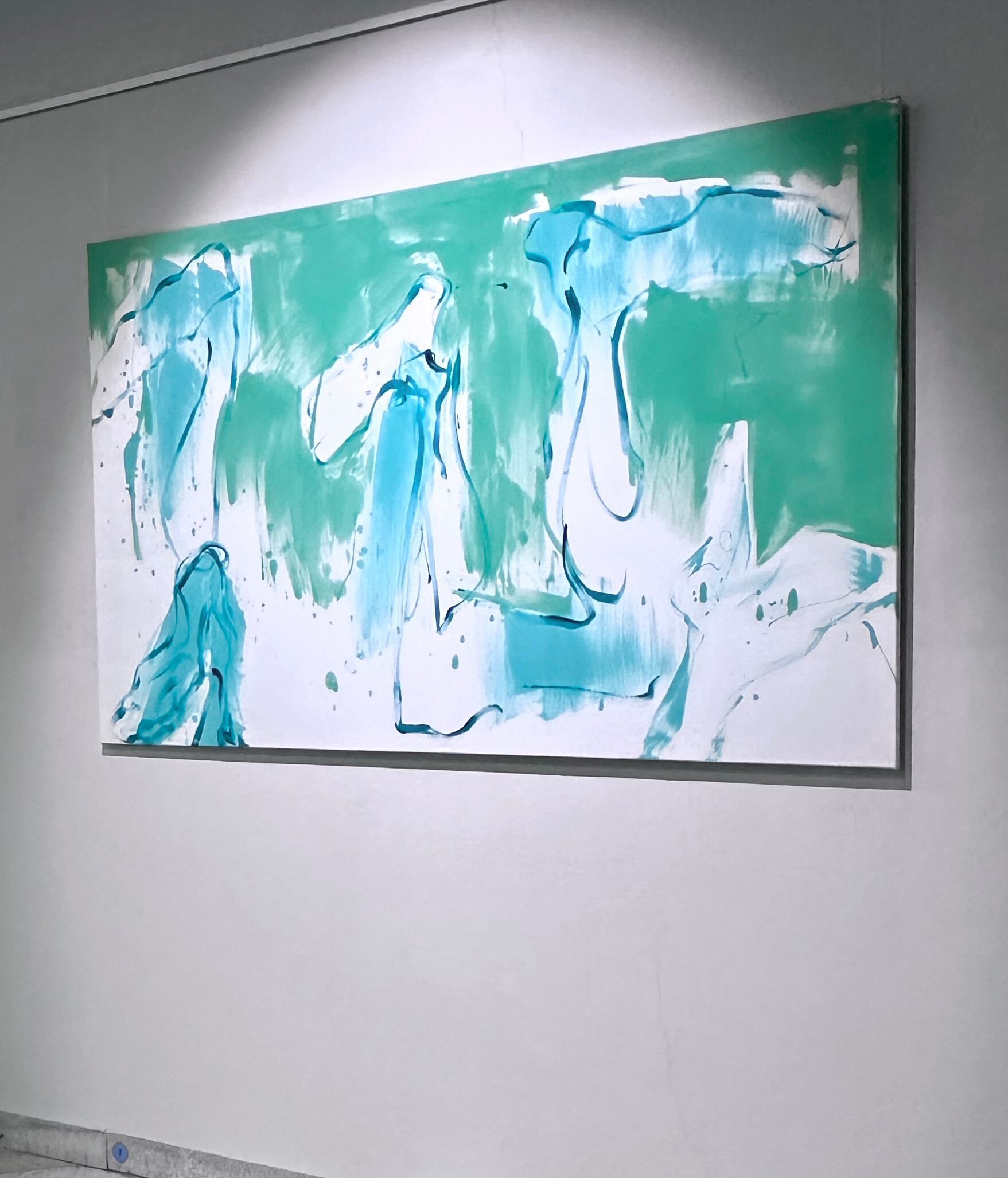
The leitmotif of Anka Mierzejewska’s exhibition at the Museum of the University of Wrocław is the human body – a theme that has fascinated her for many years. The core of the presentation comprises paintings created in 2025, complemented by earlier works from 2018 and 2024, which together offer a broader perspective on her artistic development.
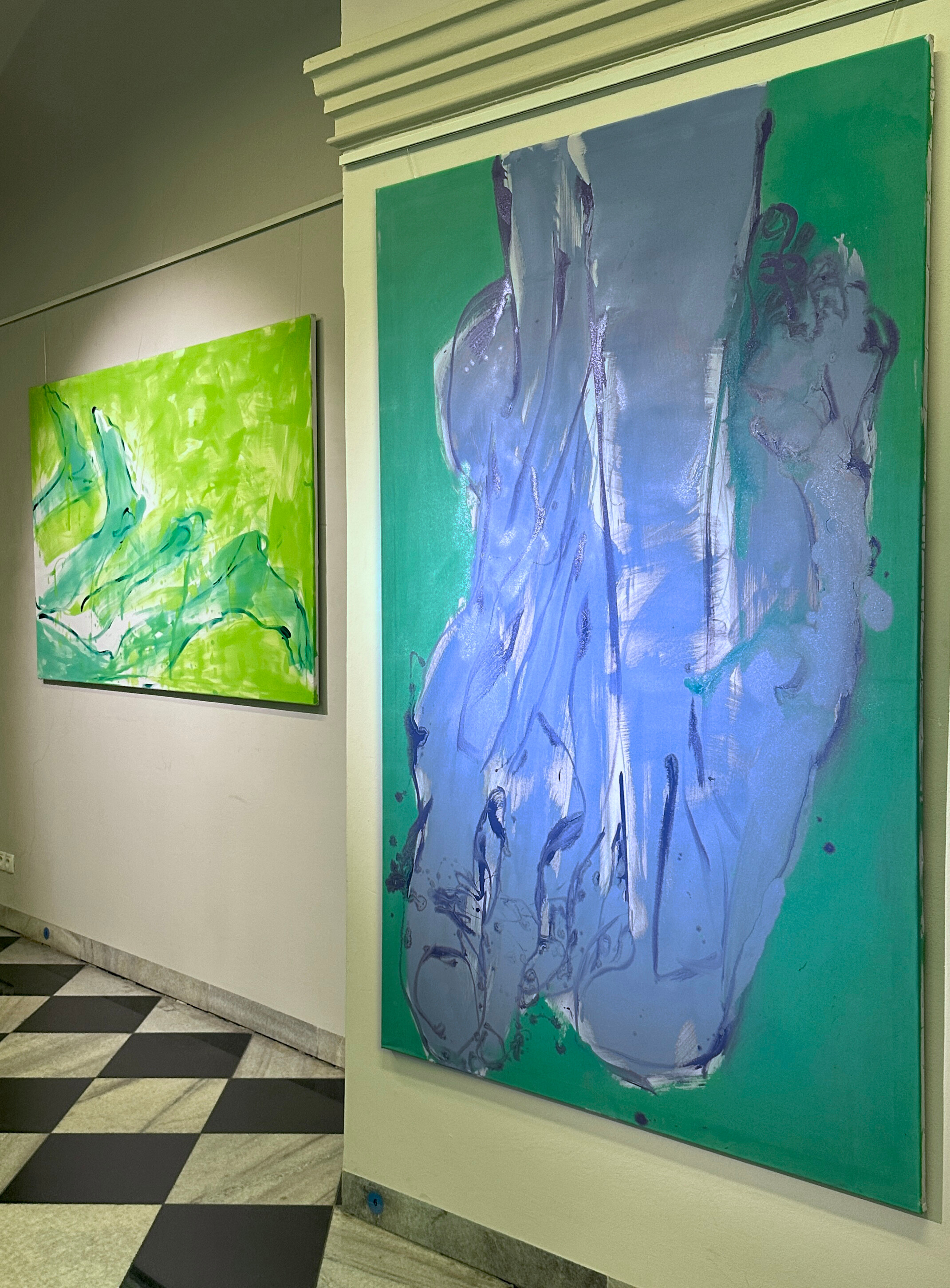
For Mierzejewska, the human body serves as an instrument of non-verbal communication and a living medium through which we experience the surrounding world. In her recent work, the artist has become increasingly concerned with humanity’s relationship with nature – hence the prominence of paintings depicting feet. She invites viewers into a dialogue with her canvases, encouraging individual interpretation rather than imposing predetermined frameworks of meaning. Through the visual form of her work, she seeks to soothe the senses, creating an intimate space within a world marked by anxiety.
The (de)construction of the figure in Mierzejewska’s practice resonates with the contemporary effort to redefine the notion of the subject – a discourse that has gained particular force in post-anthropocentric thought over recent decades. The human forms she paints are devoid of gender, race, class, or ethnicity. Often, she depicts only fragments of reality – feet, hands, legs – leaving her models completely anonymous. Her compositions focus, as if under a magnifying lens, on condensed gestures and subtle details, fragments of perception registered by the subconscious. Her latest works express a resistance to the binary between nature and culture, echoing the ideas of philosophers such as Rosi Braidotti and Donna Haraway.
Mierzejewska’s oeuvre can be approached through multiple philosophical, formal, and historical lenses. Uniting all her works is an exceptional sensitivity to form and a mastery of colour and line. Yet beyond this aesthetic precision lies an ethical dimension: a desire to compel viewers to stop – to pause, and reflect on the urgent social and ecological crises of our time. Her paintings reveal human beings as part of an intricate web of interrelations, bound to one another and to the natural world – like a rhizome, to borrow the terminology of Gilles Deleuze and Félix Guattari.
The exhibition’s title, STOP, is both a warning and an appeal – a cry from the artist who believes that it is still possible to halt our destructive course, to restore the bonds between people, and to preserve what is essential to our shared existence.
Curator: Sylwia Kościelniak